

Research, strategy, branding, nomenclature and visualisation for Ajit-Vivek interpretative museum at the historic Futteh Bilaas Palace, Khetri, Rajasthan.
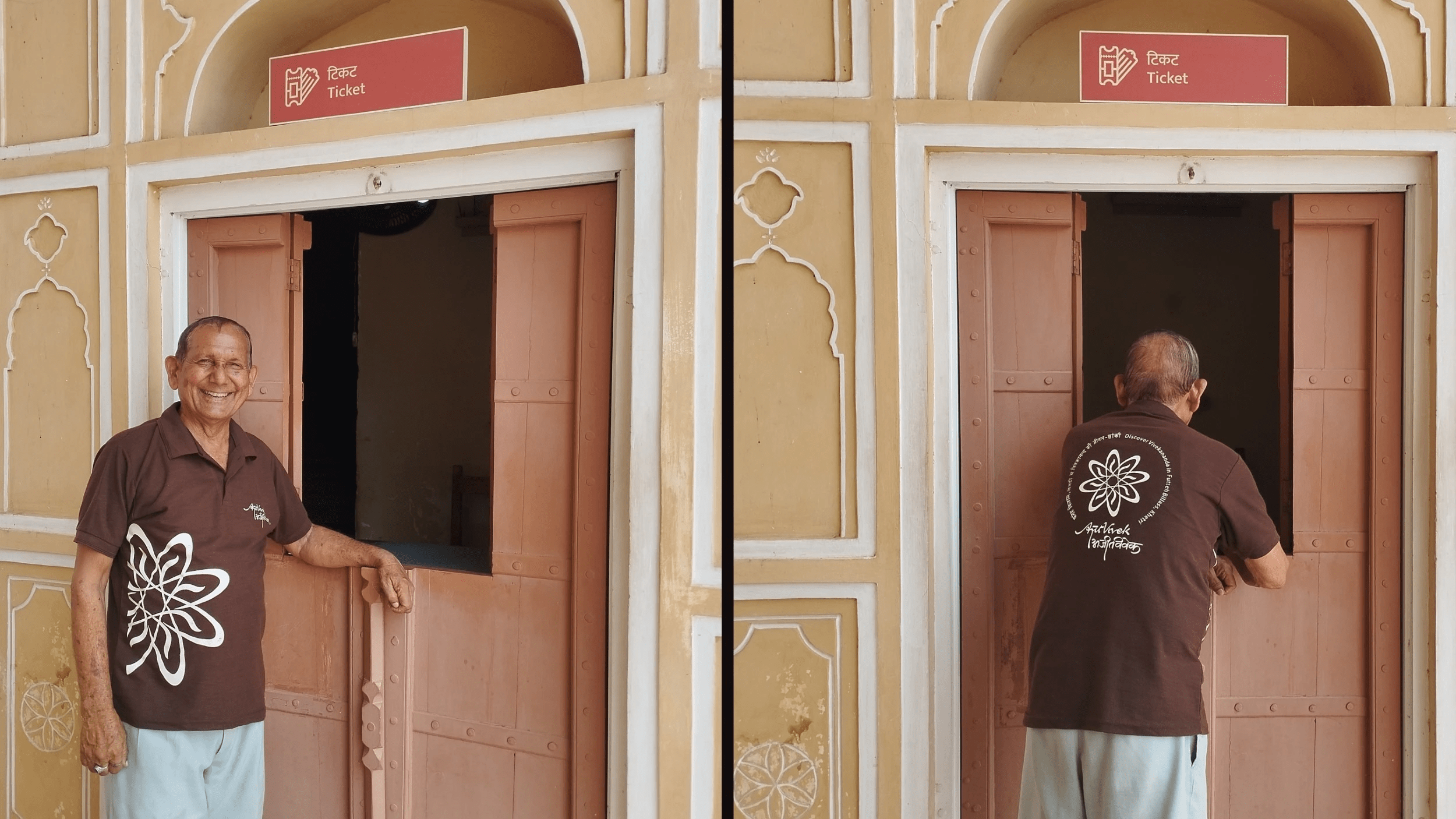
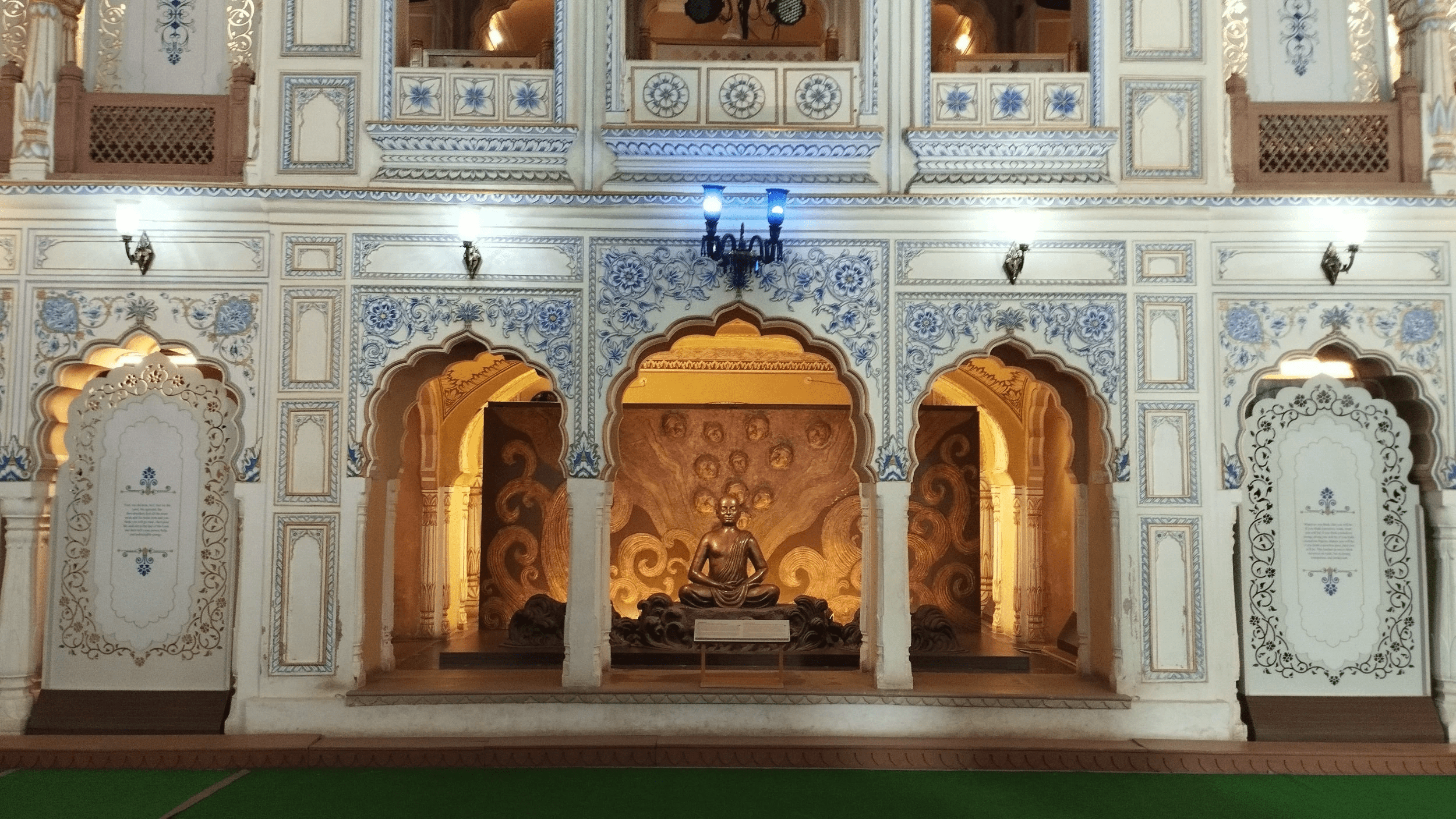
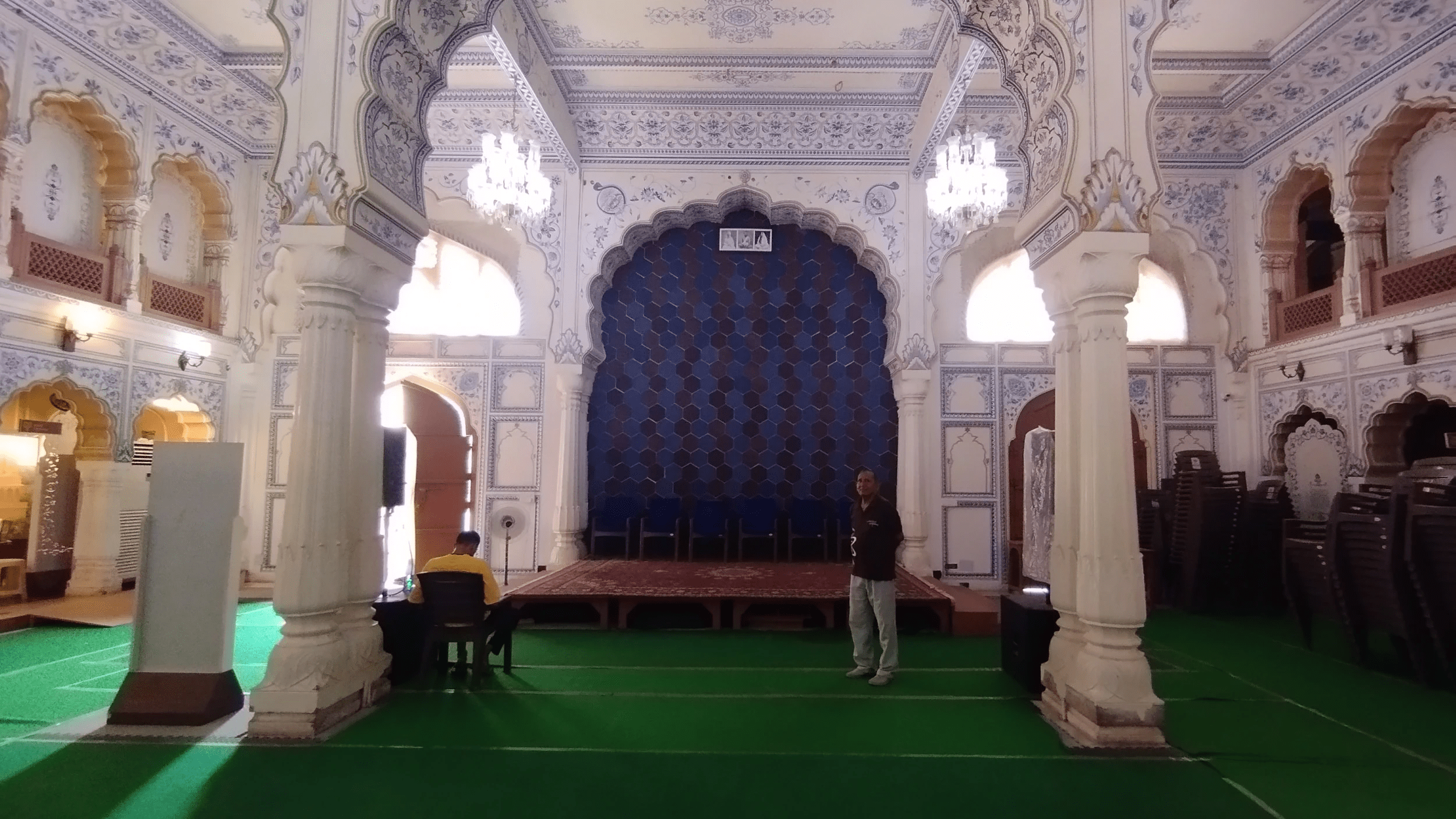
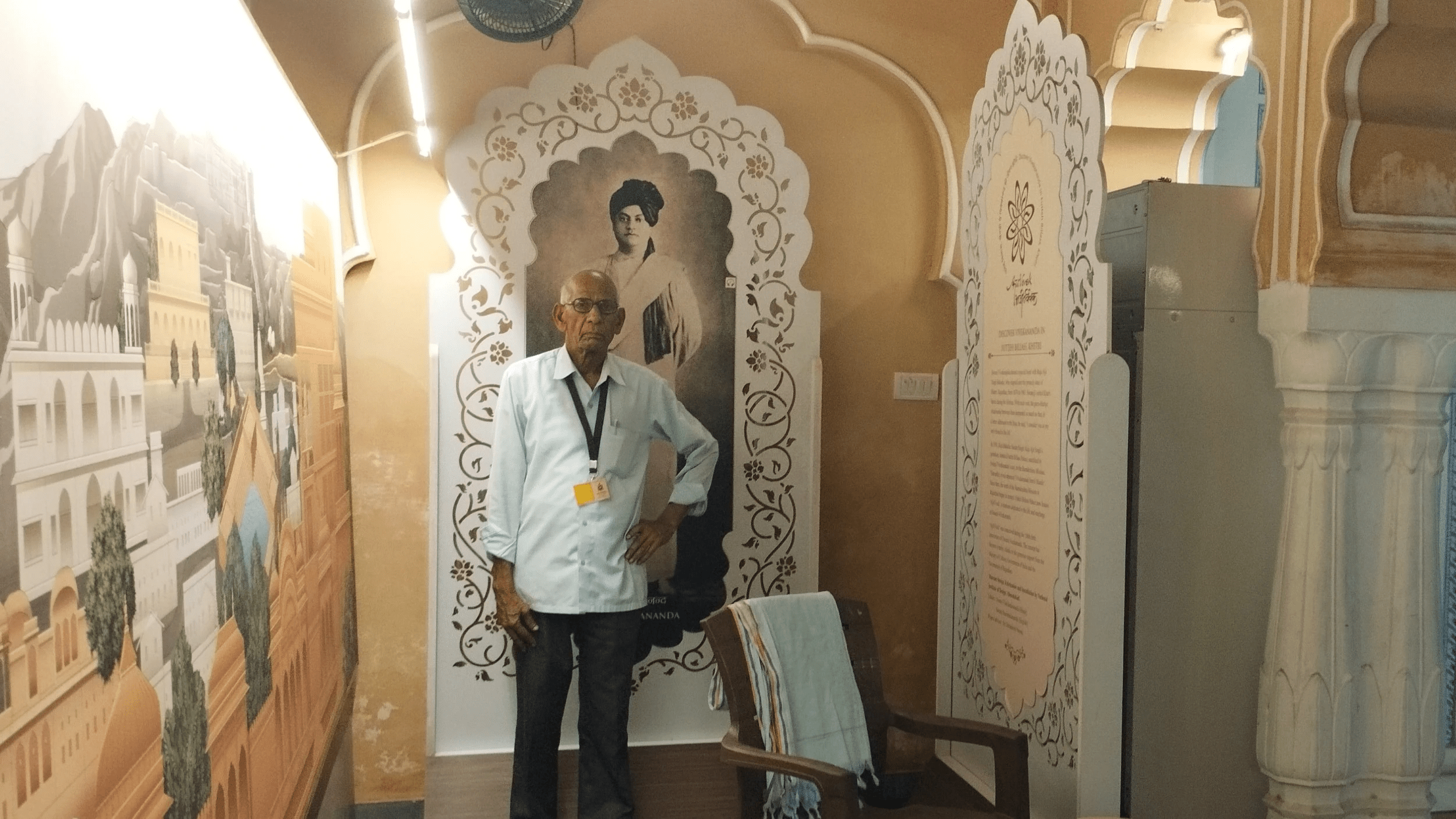
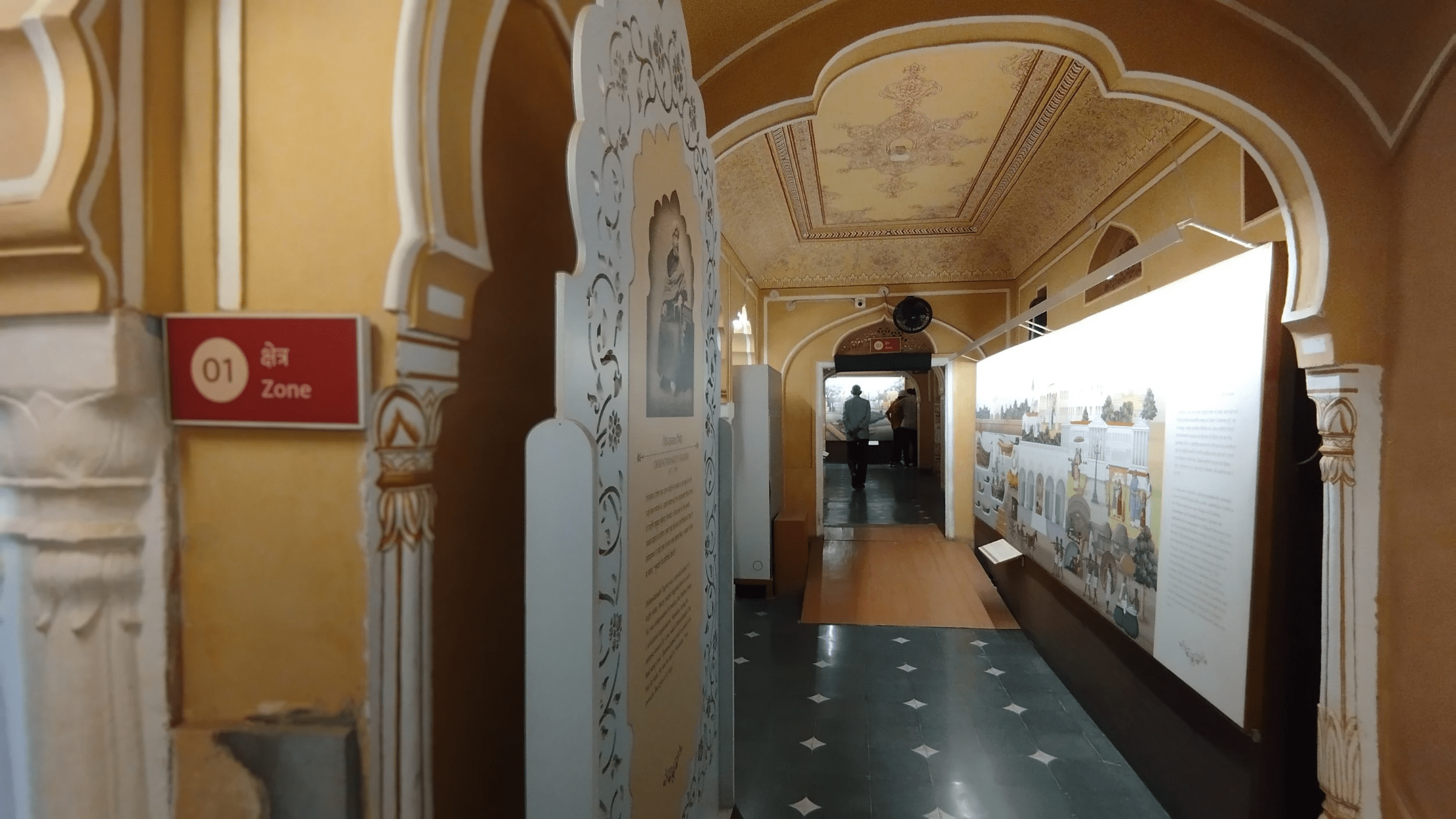
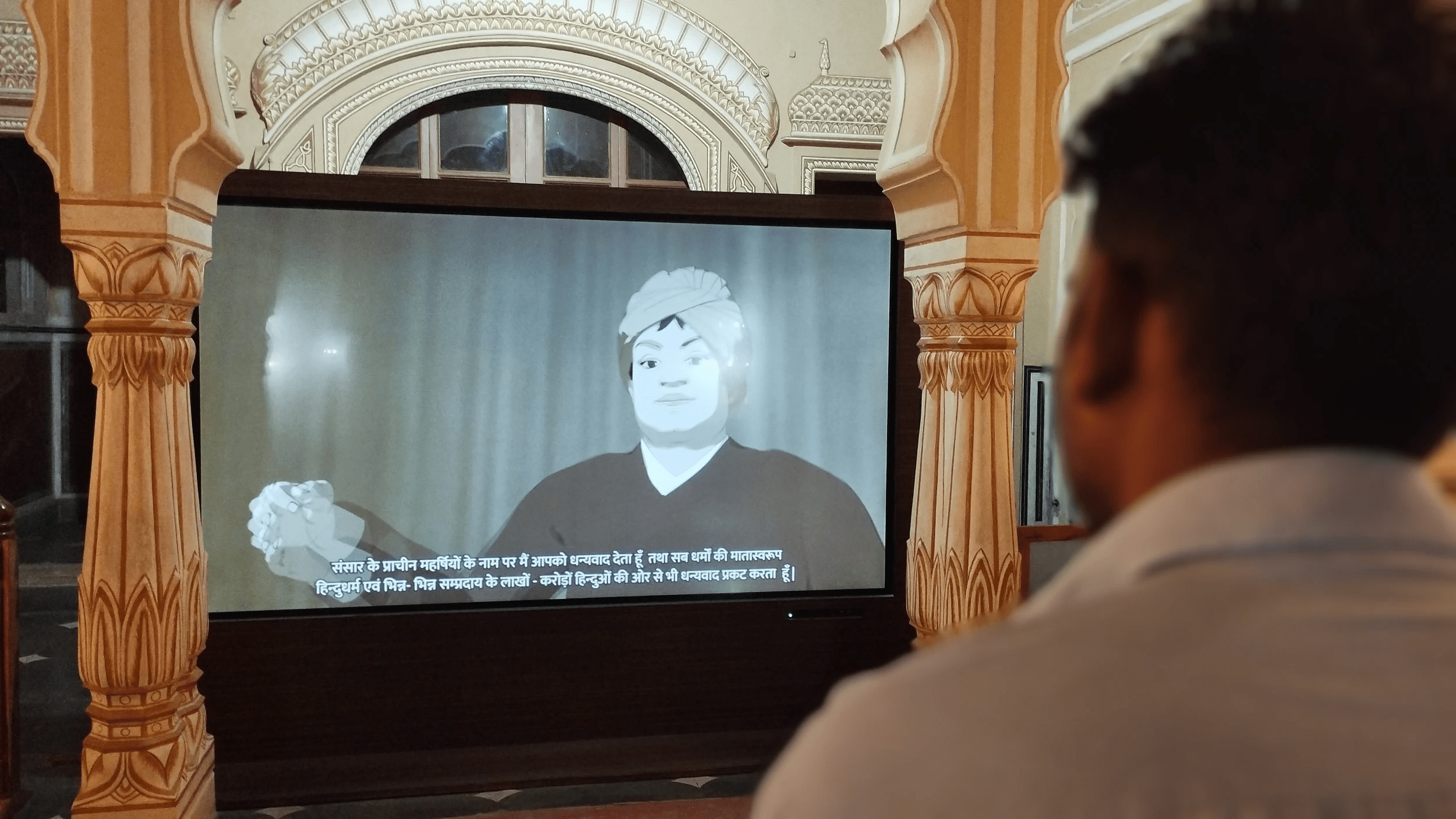
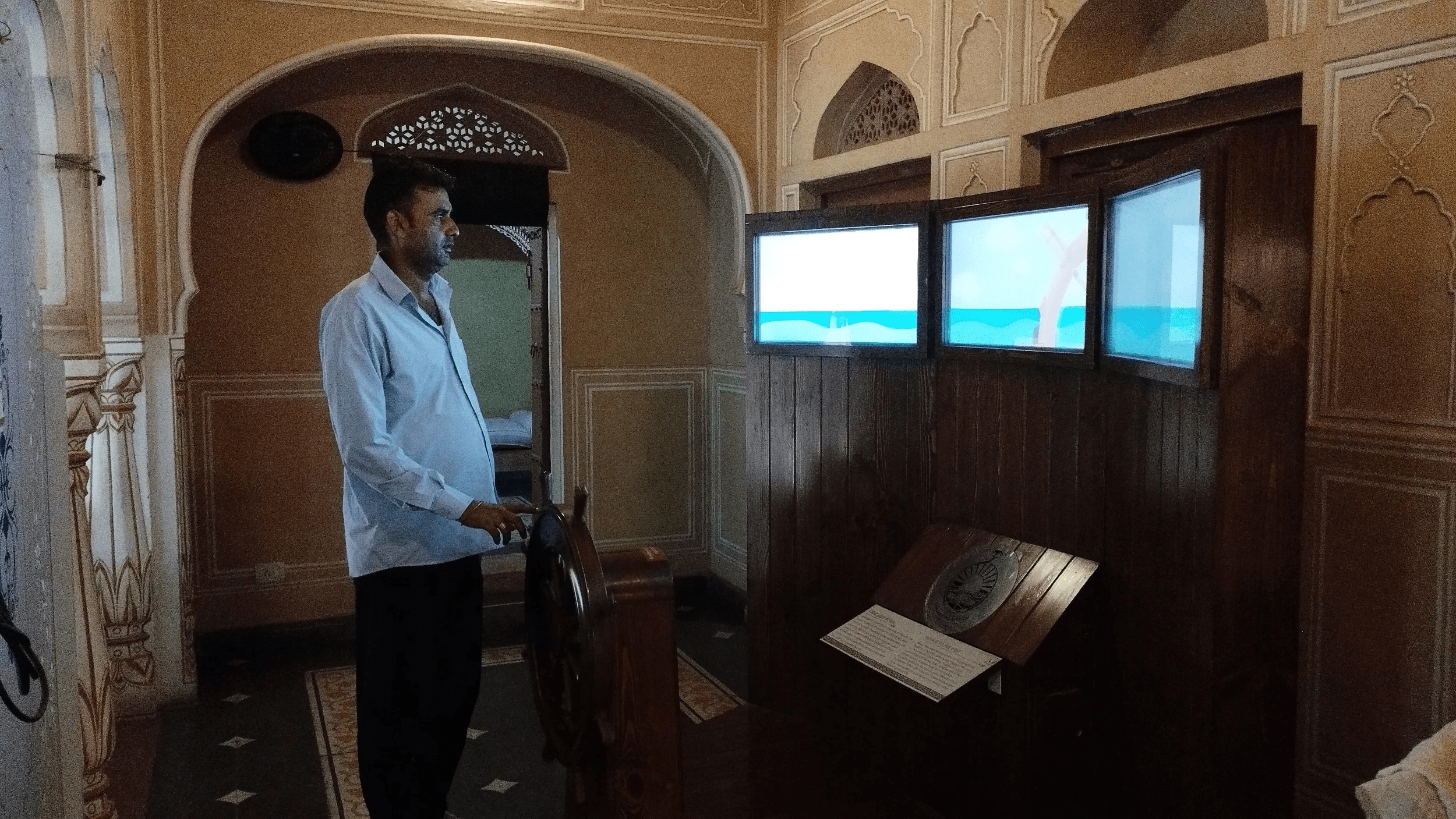
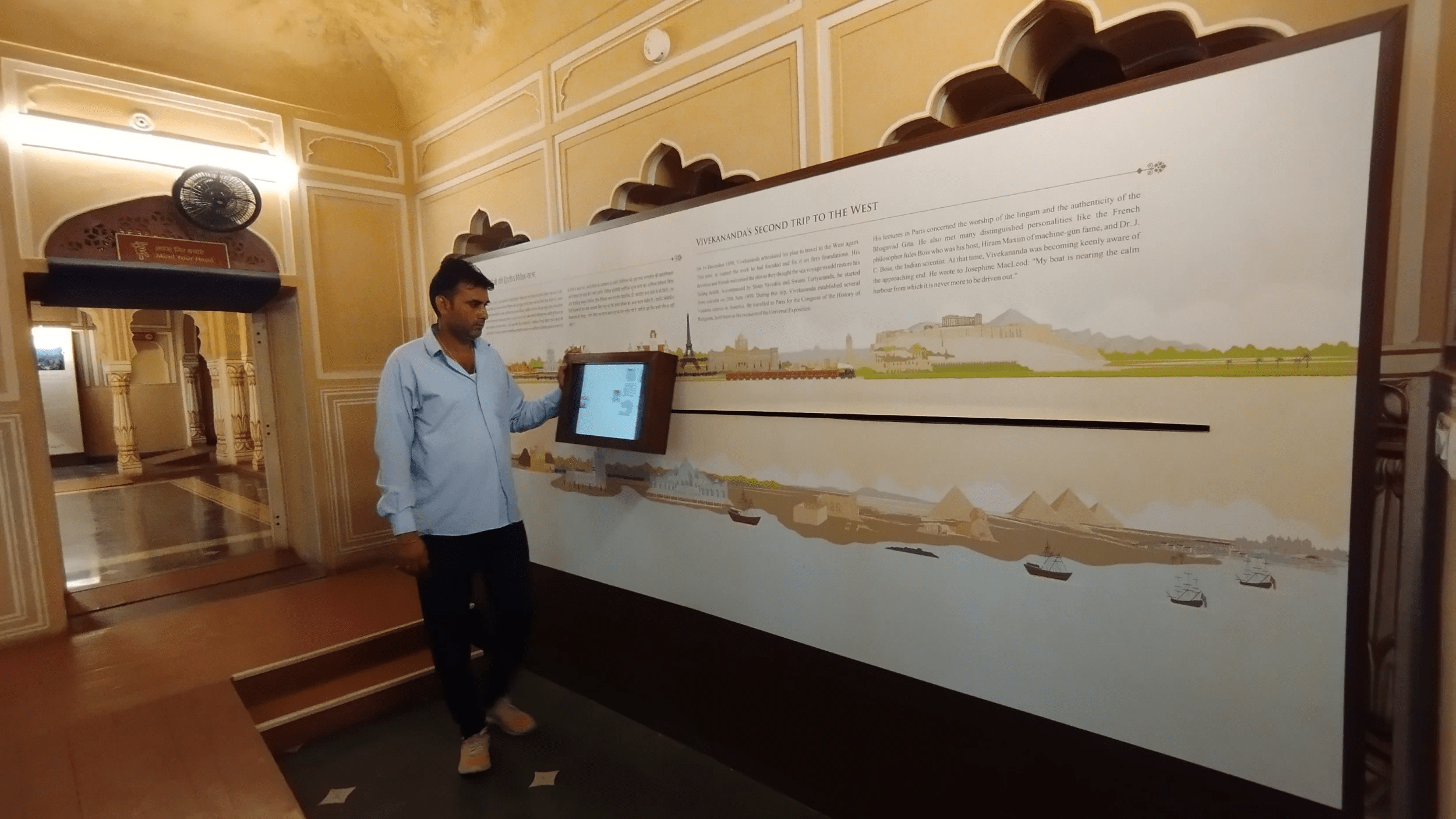
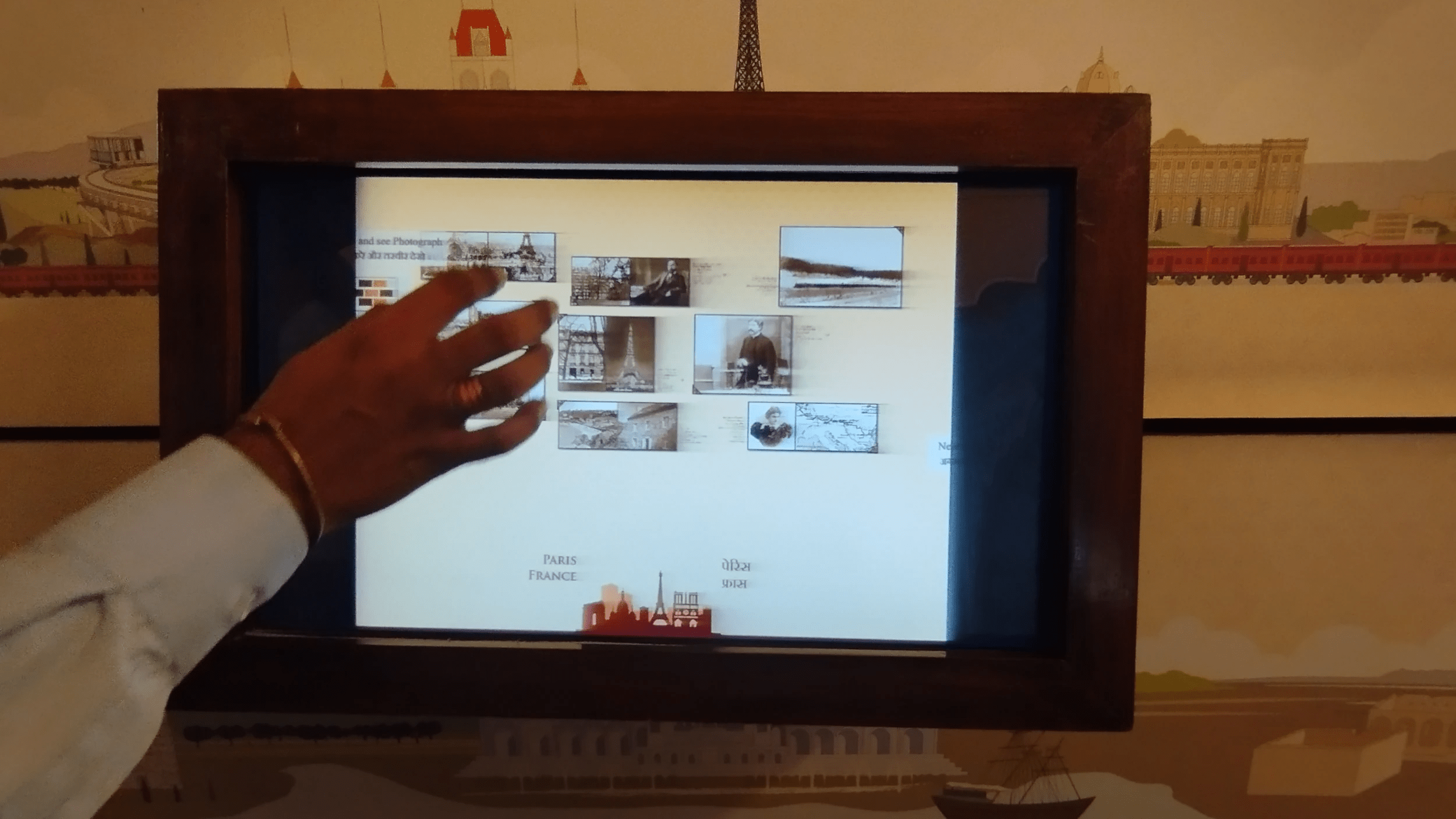
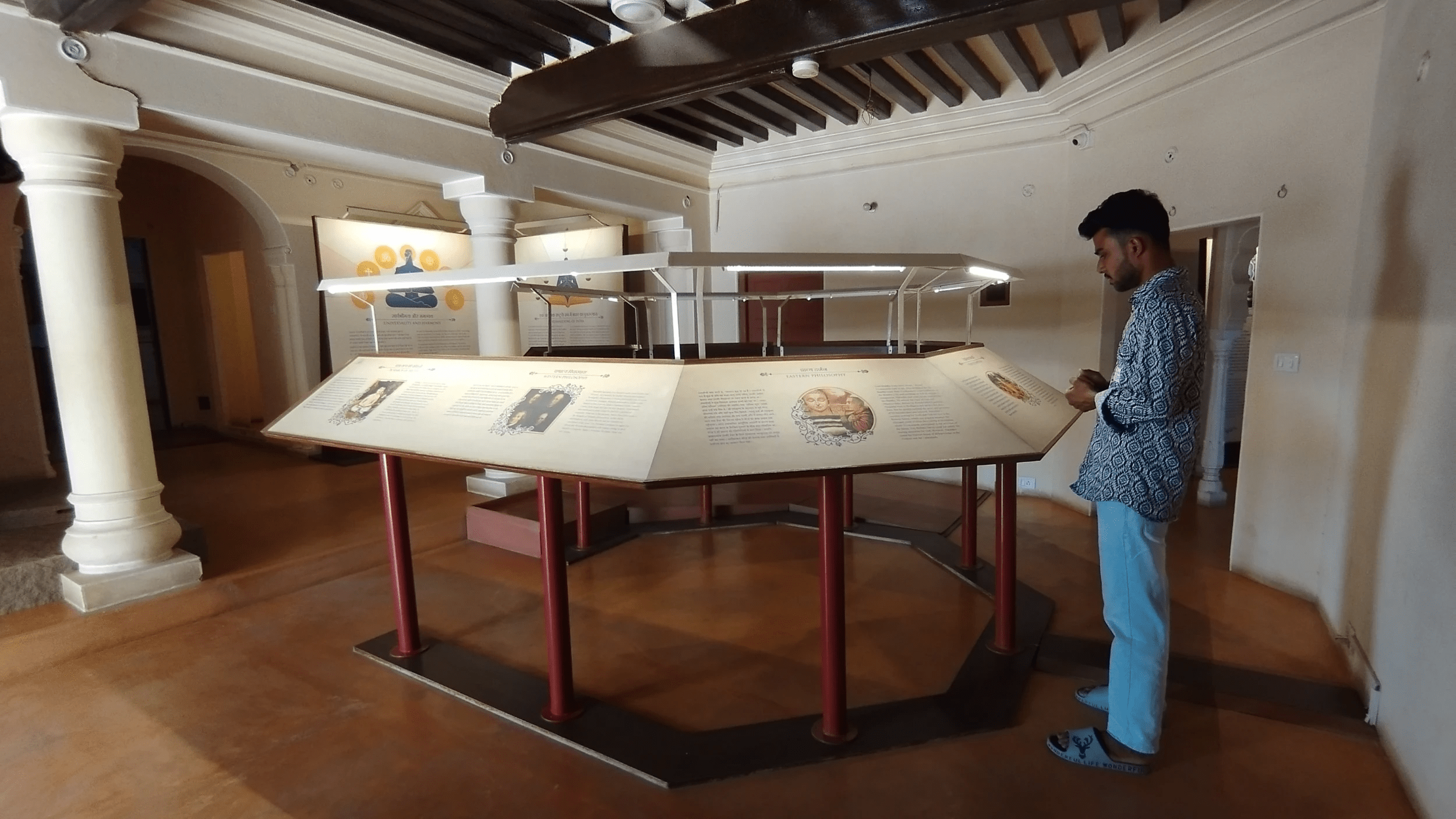
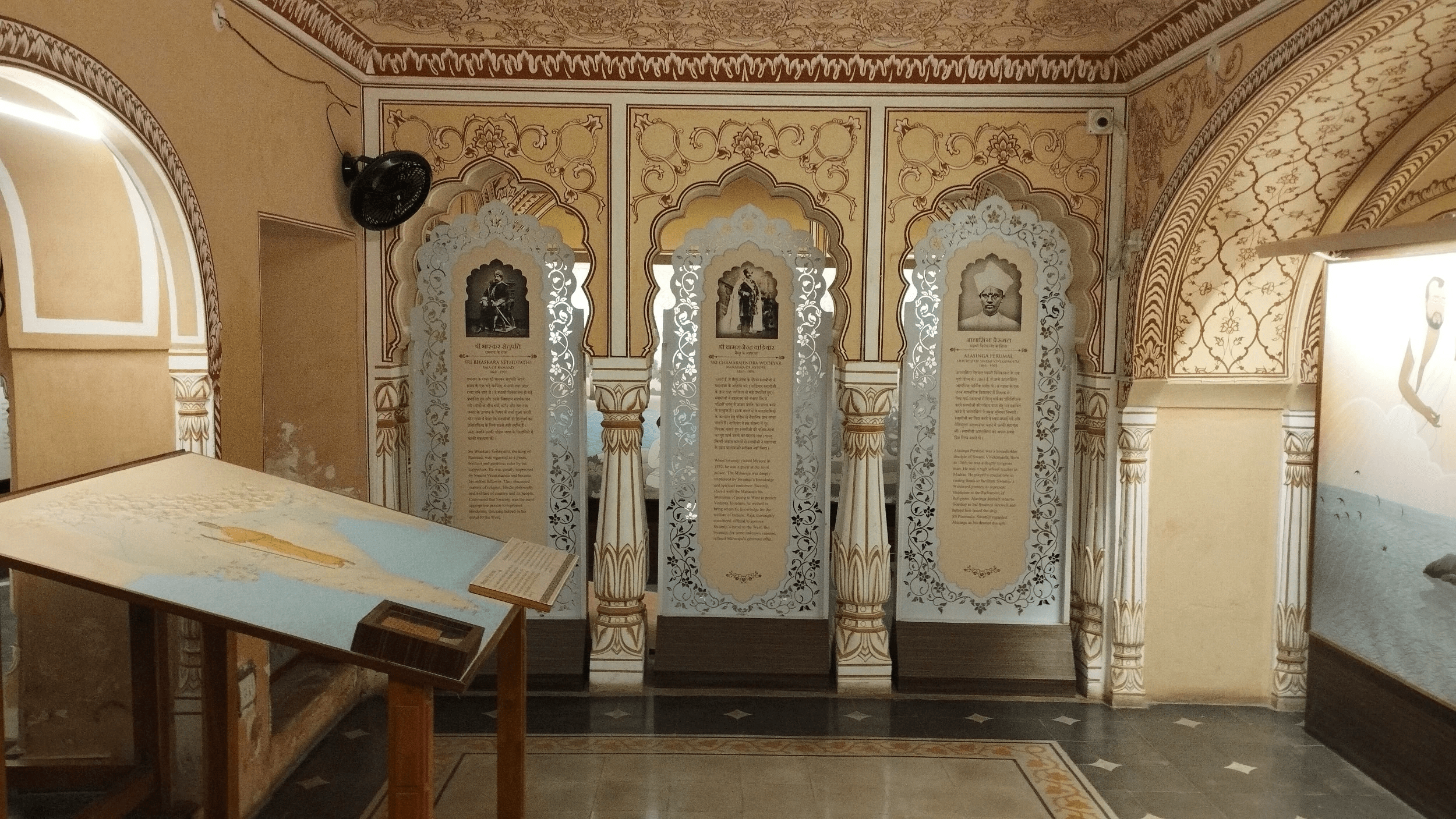
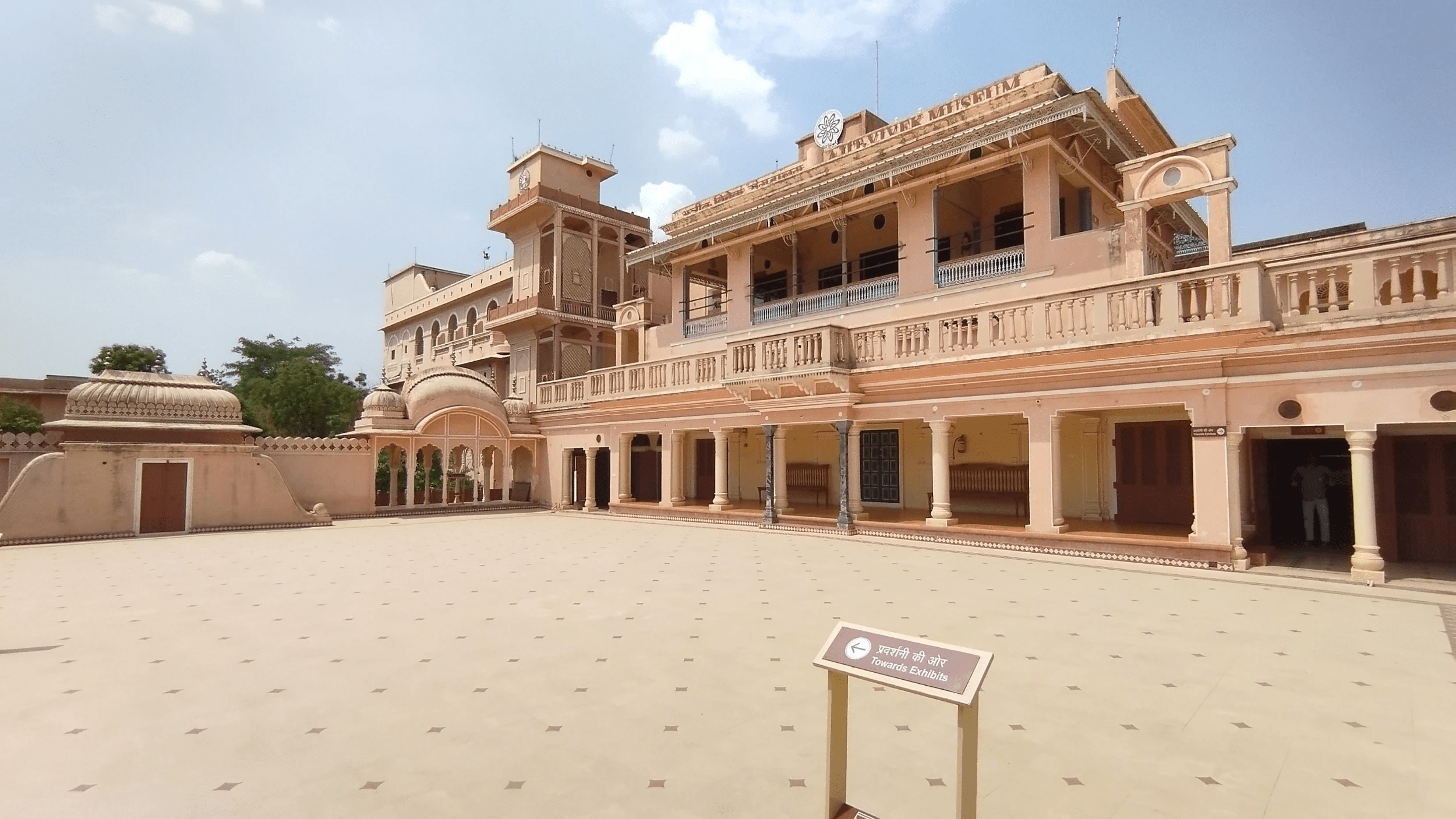
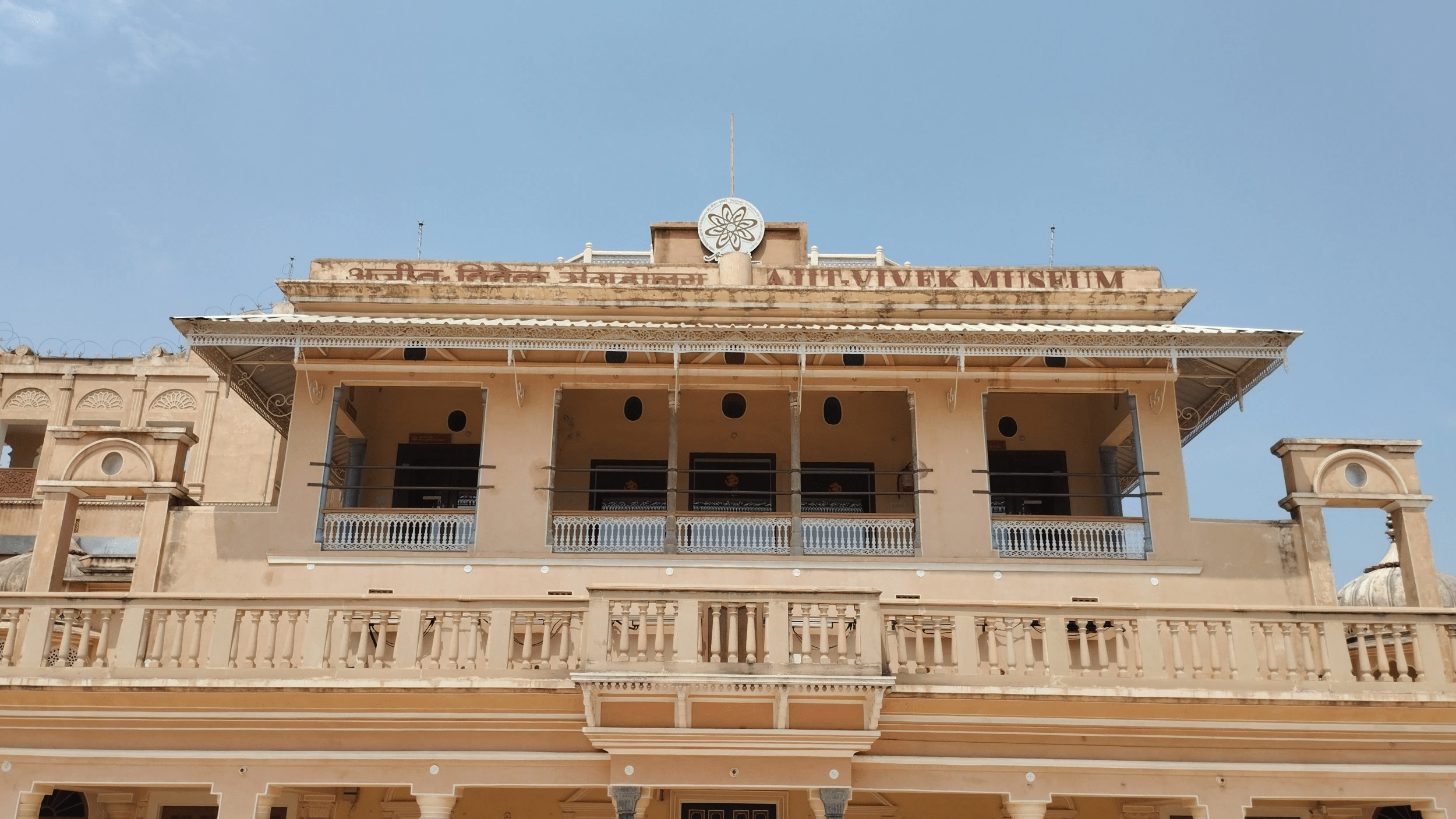
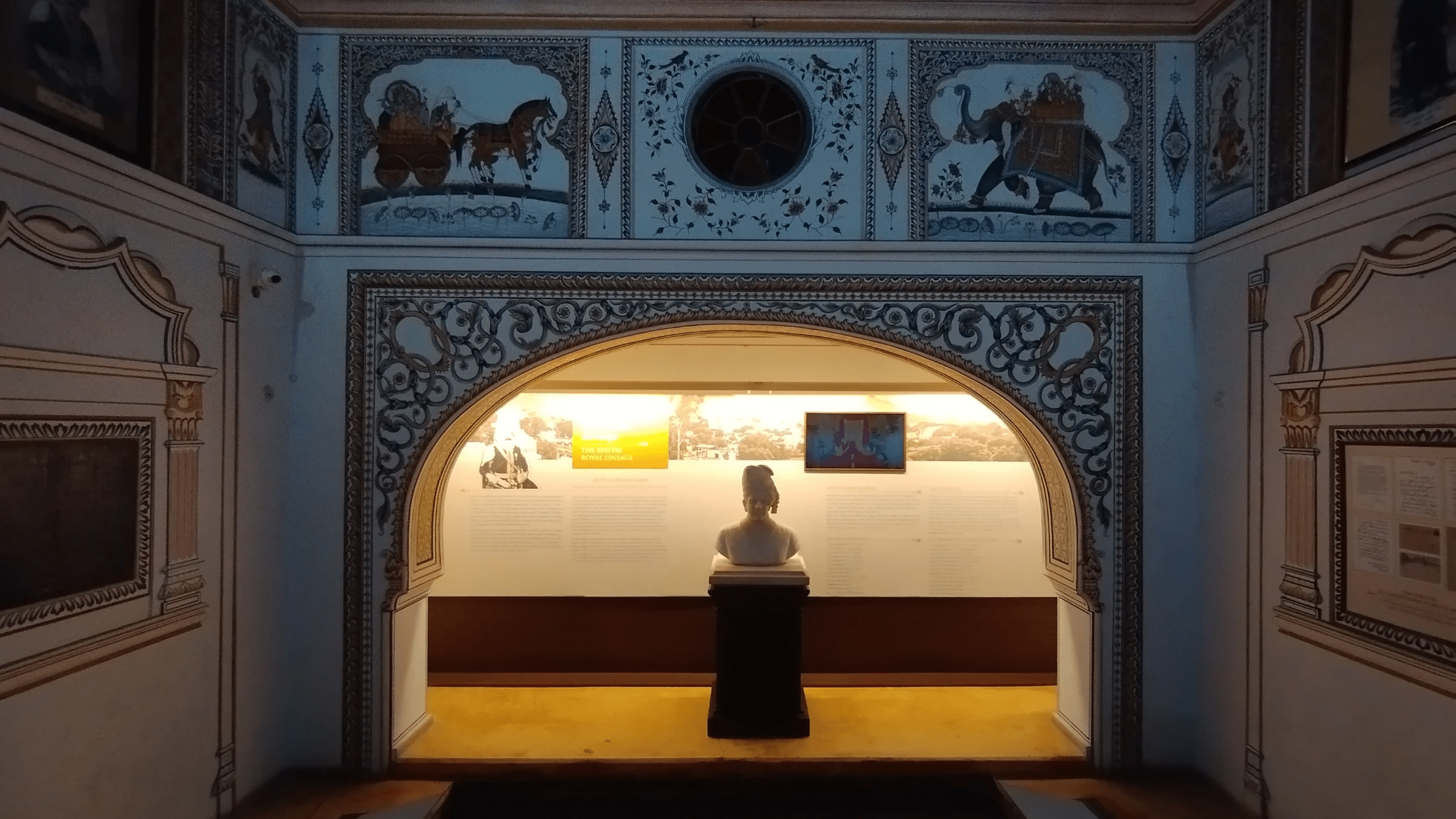
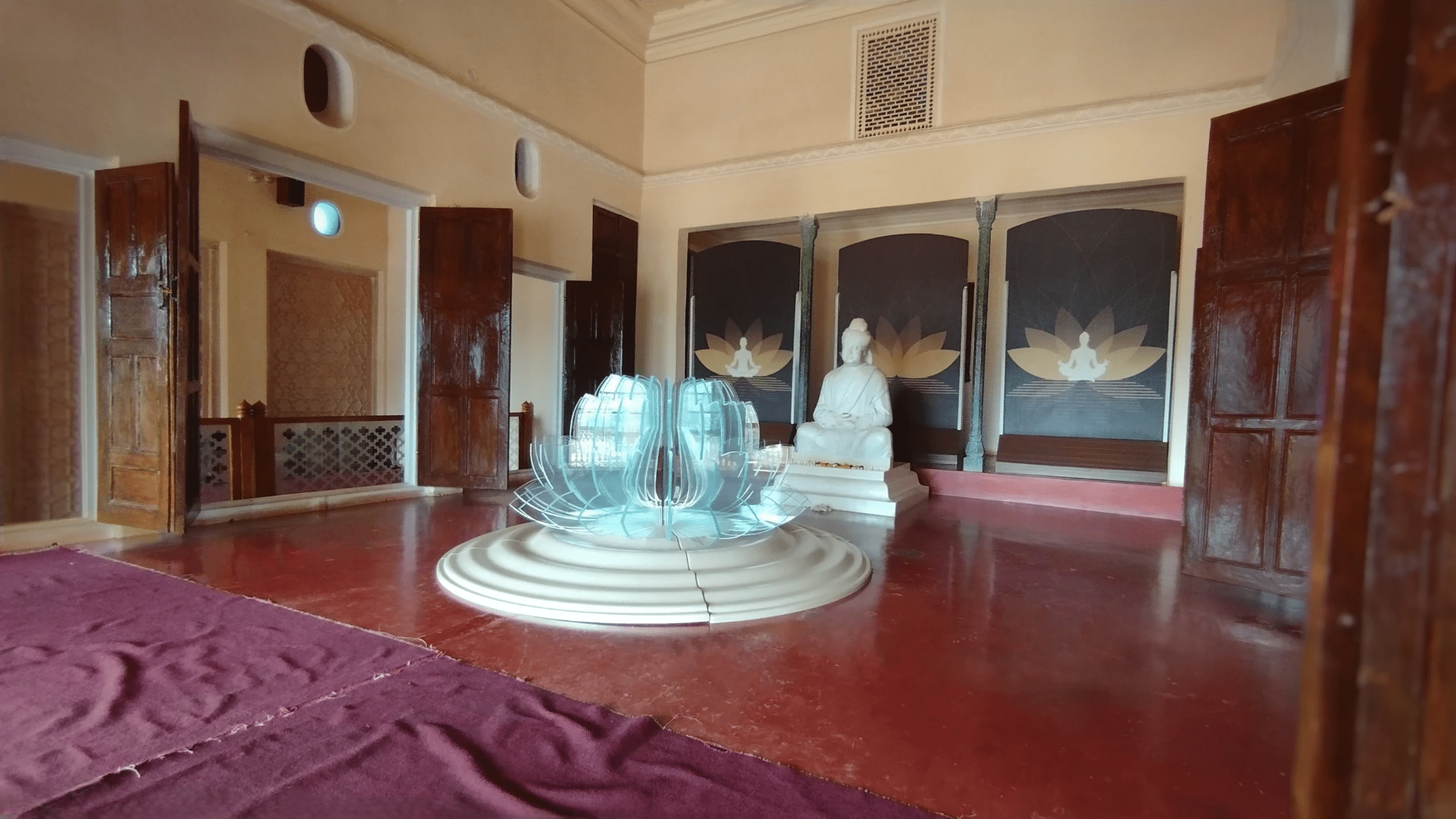
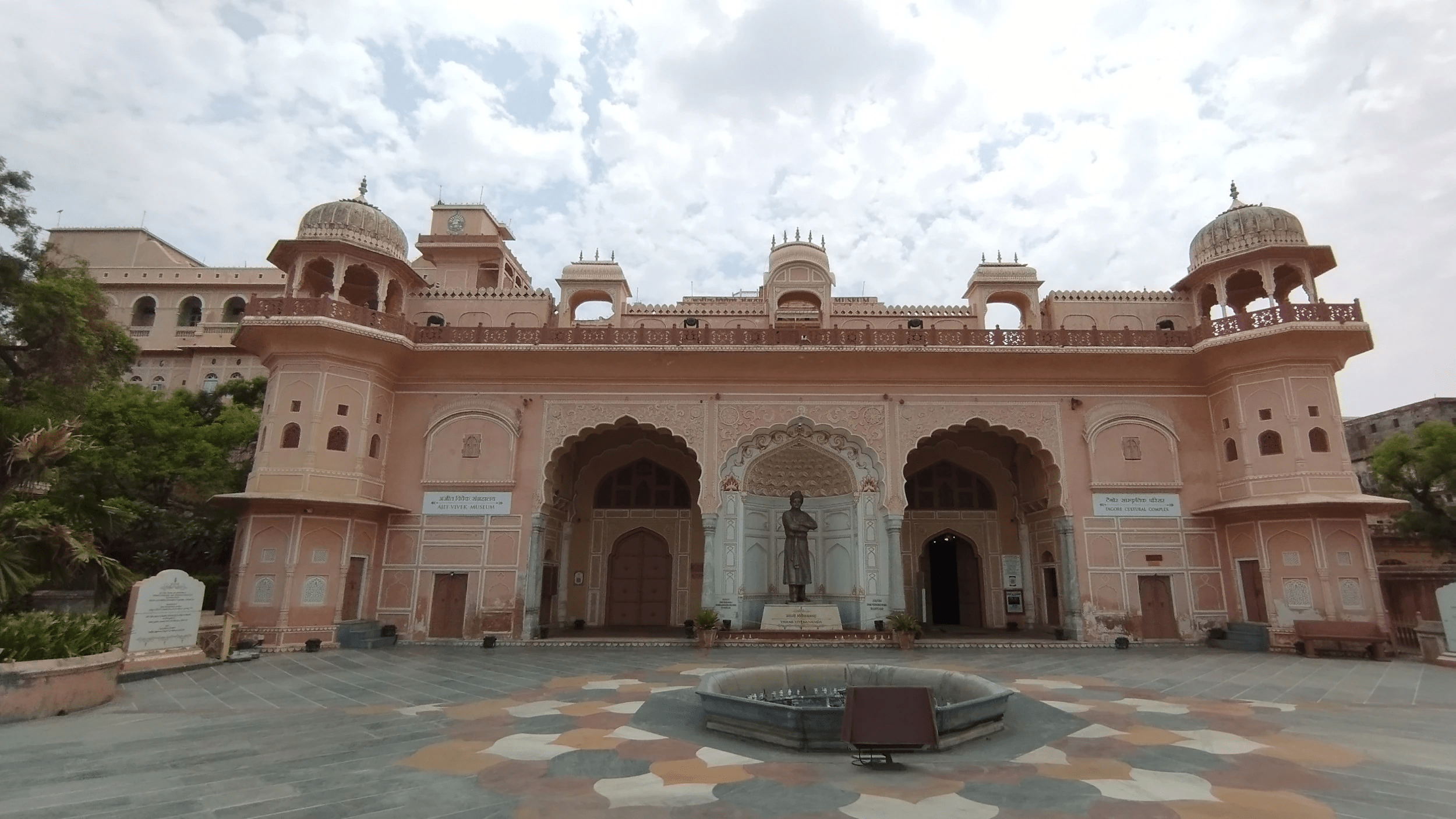
A part of the historic Khetri palace complex (Fateh Vilas/ Futteh Bilaas) was handed over to the Ramakrishna Mission in 1958. Expert committees directed by the Supreme Court involving ASI and INTACH oversaw its restoration. With a multi-crore budget assigned for an interpretative museum, a good amount of research, content and identity were already in the works at NID, Ahmedabad.

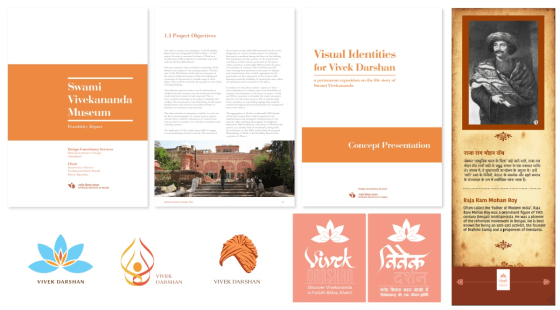
On the first research trip to the site, Pradeep roamed around as yet another tourist to get unfiltered opinions of/ from the locals over copious amounts of chai-bhajias. They were very grateful about the work done by Ramakrishna Mission, but felt their own King was not showcased enough.
Raja Ajit Singh’s crucial contribution to Swamiji’s life and work and their close ties are well documented. There could be a ‘Vivek Darshan Museum’ anywhere in the world, but only Khetri could host a ‘Ajit-Vivek Museum’. The title made sense, offered multiple interpretations and was adopted after much debate and deliberation with all stake holders.

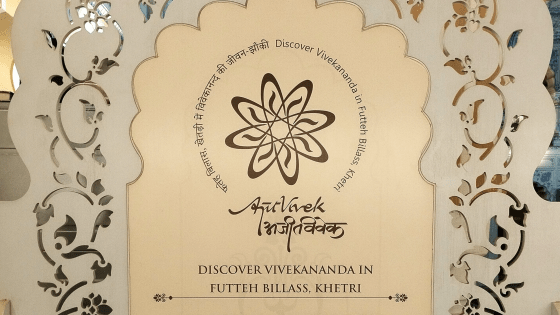
On similar lines, a front/ side view of a lotus is a common sight, especially for a logo, and could not do justice to this unique opportunity. Inspiration came from right under the nose – Swamiji’s signature! The ‘V’ rotated resembles the top view of a lotus and symbolises his influence in dasha-dishas (10 directions) globally.

Unlike most other multi-lingual fonts, Mukta by Ek Type had both Devanagari and Latin developed parallelly from ground up. It was a clear choice for a font for an interpretative museum.

It was also important that recurring requirements like stationery could be produced locally and affordably with simpler techniques like screen printing.

The content needed to engage with a wide range of audience – illiterate visitors from neighbouring villages to scholars from around the world. A careful categorisation of information and layouts into larger photos, graphics, names, timelines, brief profiles and deeper profound quotations at smaller font sizes made sure everyone took something home. The decorative motifs were borrowed from the existing ones in the palace.


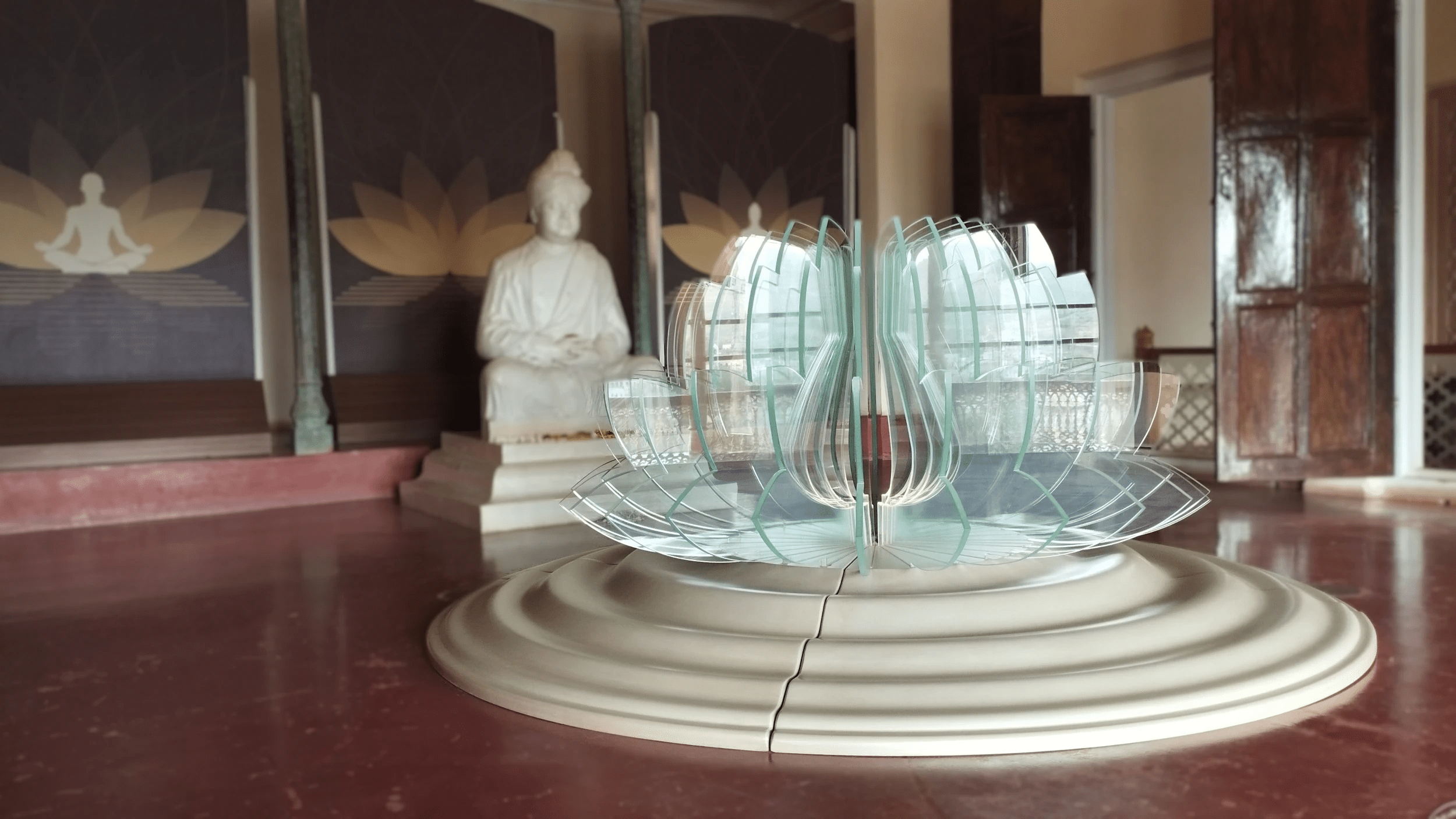
The upper floors housed Swamiji’s residence and meditation rooms and were now used by the mission’s monks for prayers and practice. Pradeep was tasked to conceptualise a lotus as a central object in this space. He explored forms for a glass installation that would reflect the surroundings in multiple layers.
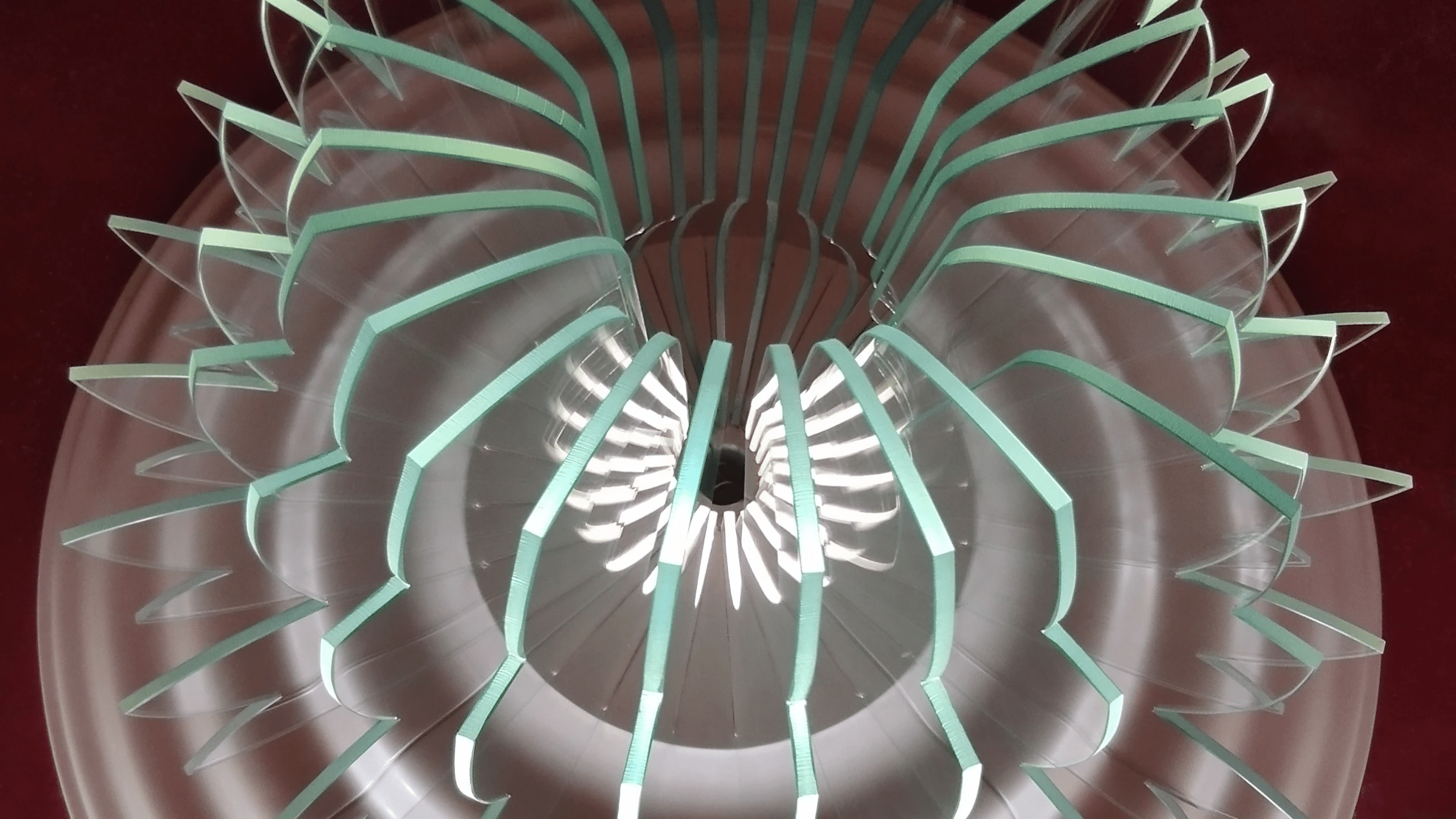
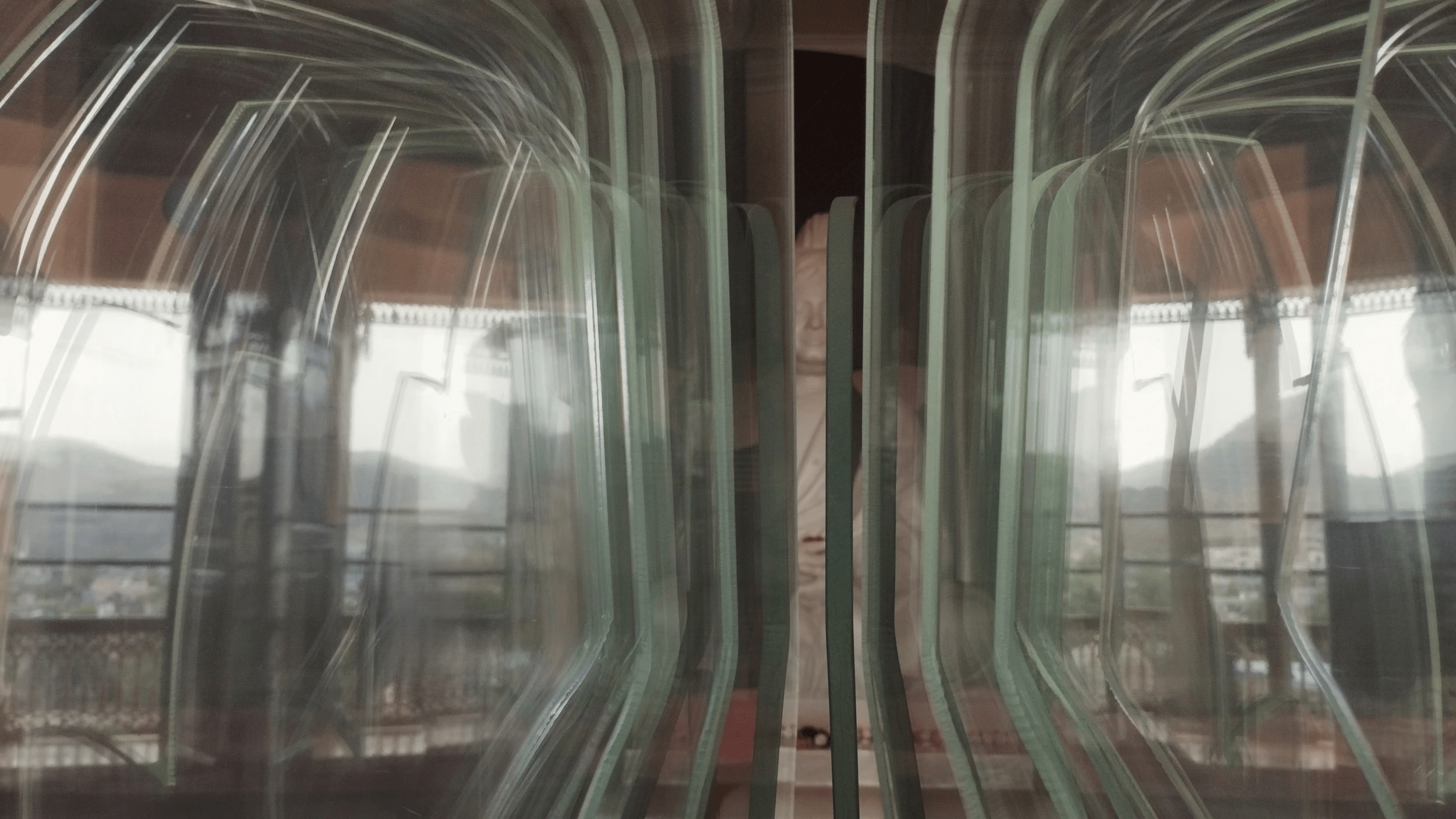
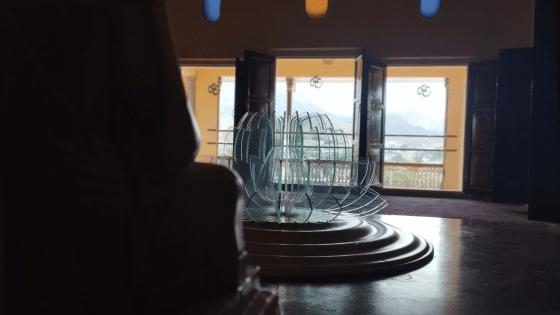
The ideas presented for identity and layouts were further refined by the team. Mayank Loonkar gave the symbol its final graceful form. Nikhil Aphale contributed with his calligraphy for the logo. Tanishka Kachru led the team through this multi-storied, multi-faceted, decade-long project.
Related links:
Museum Page on official RKM Site.
Museum in action:
Ajit-Vivek Museum Tour and Quiz Competition: Khetri, August 2024
Re-creating tale of monk and king
– The Times of India, 06 April 2019.
Ajit Vivek Museum is a spiritual brilliance that meets royal vision.
– Rajasthan Tourism, Instagram.
The Ajit-Vivek Museum in Khetri
– Rajasthan Tourism, Youtube.
